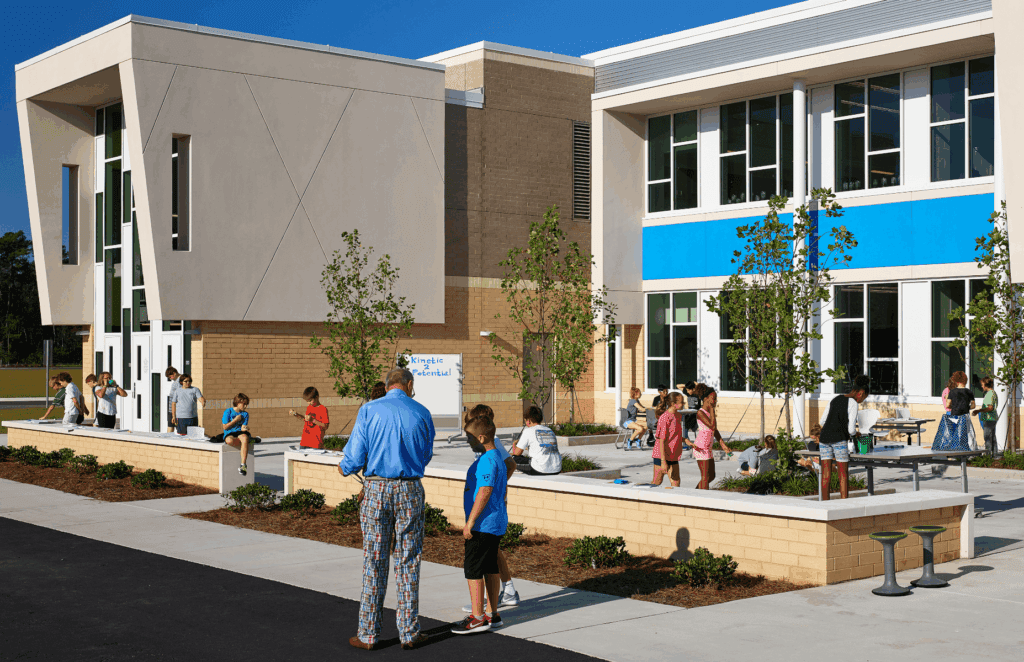
Architect Continuing Education
Browse our AIA accredited CEU courses.
AIA CEU
Architect Continuing Ed
Courses for topics from wellness, outdoor learning environments, and specialized areas such as esports and trauma-informed microenvironments.
-

Environment as a Tool — Within Arm’s Reach: Proximity, Line-of-Sight, and Agentic Engagement by Design
Explore how circulation, sightlines, and furniture placement give teachers freedom to move while giving students greater agency in how they learn.
-
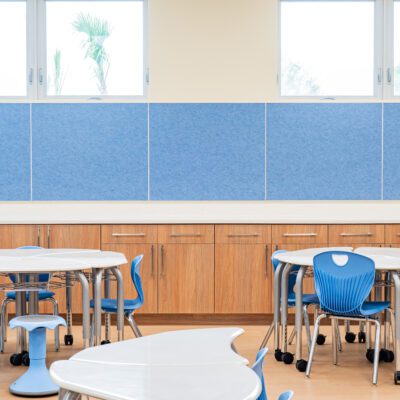
Environment as a Tool — The Stuff Problem: Using Storage Research to Free the Student-Centered Classroom
Explore how smarter classroom storage can reduce clutter, free student movement, support modern instruction, and turn static classrooms into adaptable learning environments.
-

Environment as a Tool — Reading the Room: A Leader’s Overview of How Built Environments Shape Behavior, Engagement, and Learning
Explore how learning environment design influences student behavior, engagement and well-being through sensory, spatial, social and structural decisions.
-

Where Thinking Meets Doing — Designing Secondary Learning Environments for Cognitive Engagement
Explore how elementary learning environments can spark deeper thinking through choice, movement, collaboration, visibility, and belonging.
-
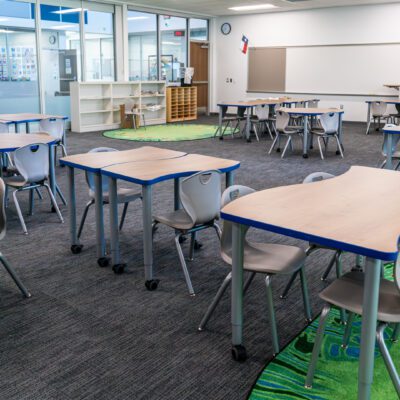
Designing for Thinking — Cognitive Engagement in Elementary Learning Environments
Explore how elementary learning environments can spark deeper thinking through choice, movement, collaboration, visibility, and belonging.
-
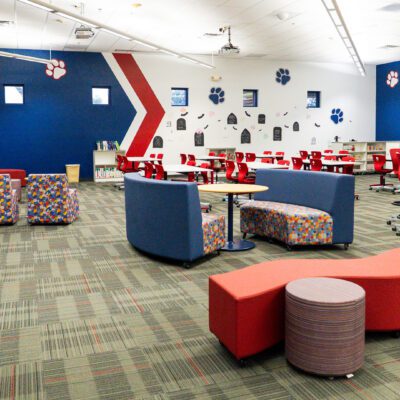
How Learning Environments Shape Student Thinking
Explore how classroom design influences attention, participation, collaboration, student agency, and deeper learning.
-
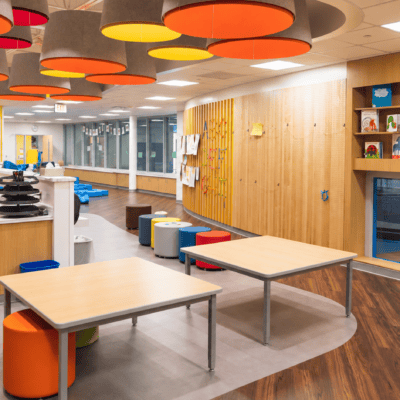
Movement, Music, and Memory: Designing Spaces for Whole-Body Learning
Explore how movement, music, and sensory-rich design can strengthen memory, support well-being, and create more engaging learning experiences.
-
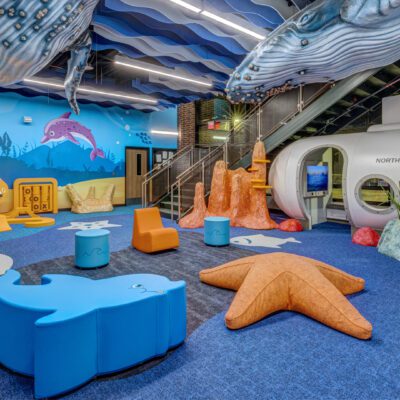
Engaging Young Minds: Designing Spaces that Spark Curiosity and Learning
Explore how thoughtful classroom design can spark curiosity, encourage play, and support the developmental needs of young learners.
-
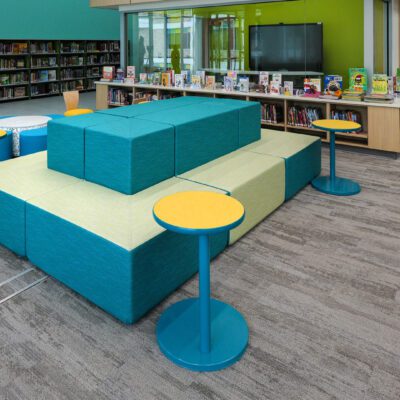
The Whole Genius — Designing for the Cognitive, Social, and Emotional Lives of Gifted Learners
Explore how thoughtful learning space design can support the cognitive, sensory, and social-emotional needs of gifted and twice-exceptional students.