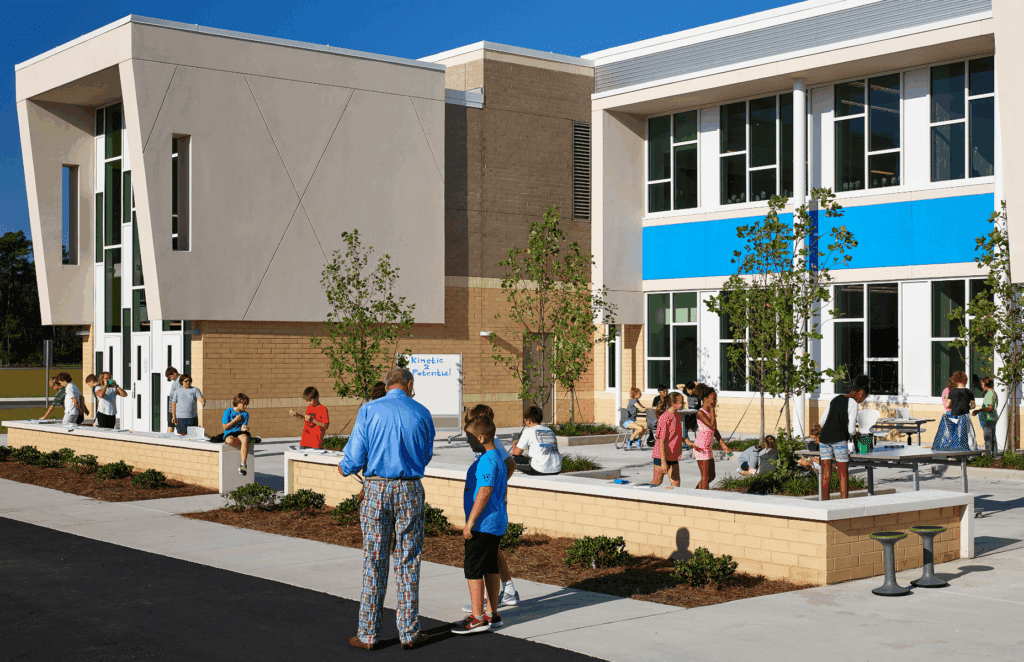
Architect Continuing Education
Browse our AIA accredited CEU courses.
AIA CEU
Architect Continuing Ed
Courses for topics from wellness, outdoor learning environments, and specialized areas such as esports and trauma-informed microenvironments.
-
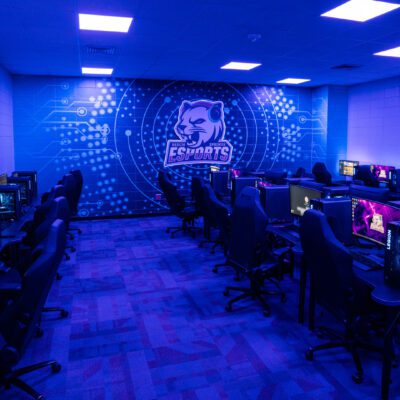
Develop by Design – Foundations of Esports Learning Environments
Explore how intentionally designed K–12 esports environments can strengthen student engagement, belonging, collaboration, digital skills, and connections to CTE pathways.
-
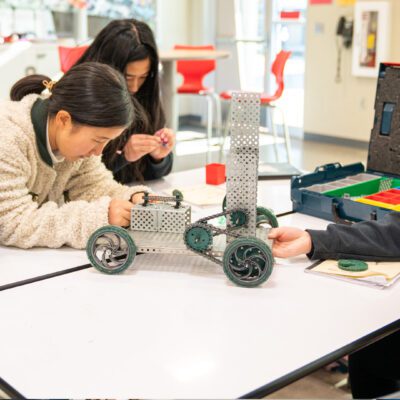
Is STEM/STEAM Enough? Evolving Toward Systems Thinking
Explore how learning environments can move beyond traditional STEM/STEAM models to support interdisciplinary thinking, collaboration, and complex problem-solving.
-

The Empowered Instructor — ProSocial Skills in the World of Work
Explore how CTE learning environments can empower instructors, strengthen technical instruction, and intentionally develop the communication, teamwork, adaptability, and ProSocial skills students need in the workplace.
-
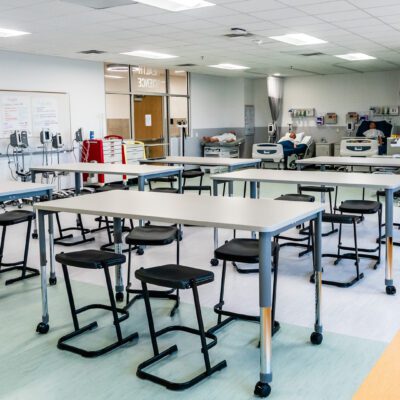
Designed for Every Learner — Inclusive CTE Environments and the Exploratory Pathway
Explore how inclusive CTE environments can expand access, reduce barriers, and help students discover workforce pathways from middle school exploration through high school technical learning.
-
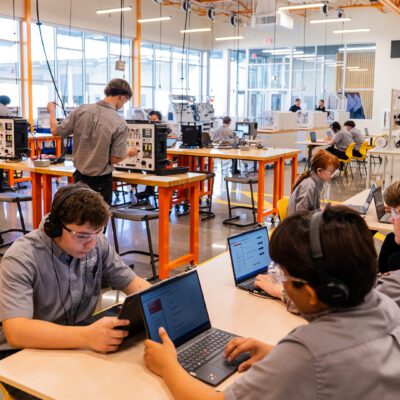
Value Equation — Community Impact, Accountability, and the Design Evidence
Explore how CTE facility design can strengthen communities, support workforce partnerships, meet accountability requirements, and create equitable opportunities for students and adult learners.
-
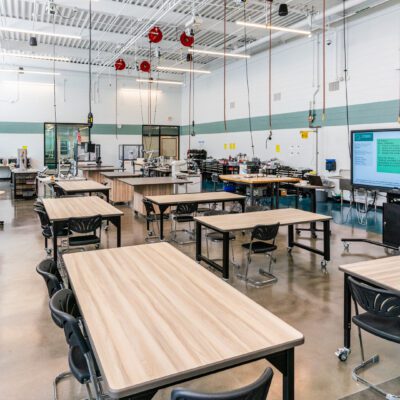
Trades at a Tipping Point
Explore how workforce trends, emerging technologies, safety requirements, and evolving CTE programs are reshaping the design of modern career and technical education environments.
-
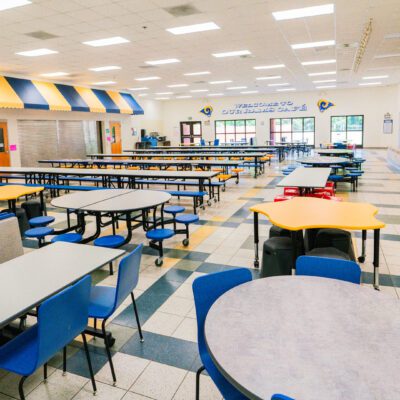
Environment as a Tool — Beyond the Classroom Door: Designing Cafeterias, Commons, and Hallways That Support Self-Regulation
Explore how cafeterias, commons, hallways, and transition spaces can reduce sensory overload and support student self-regulation, safety, and belonging.
-
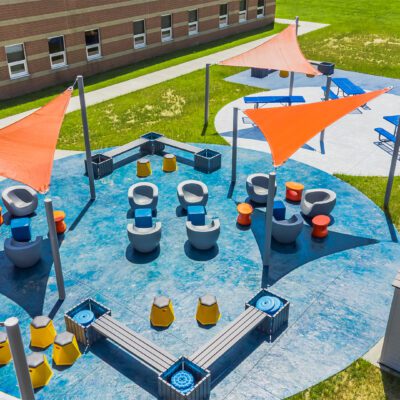
Environment as a Tool — Instruction Lives Outside: Designing Outdoor Learning Environments That Actually Get Used
Explore how thoughtful programming transforms outdoor school spaces from attractive amenities into functional environments teachers can use for everyday instruction.
-

Environment as a Tool — Within Arm’s Reach: Proximity, Line-of-Sight, and Agentic Engagement by Design
Explore how circulation, sightlines, and furniture placement give teachers freedom to move while giving students greater agency in how they learn.