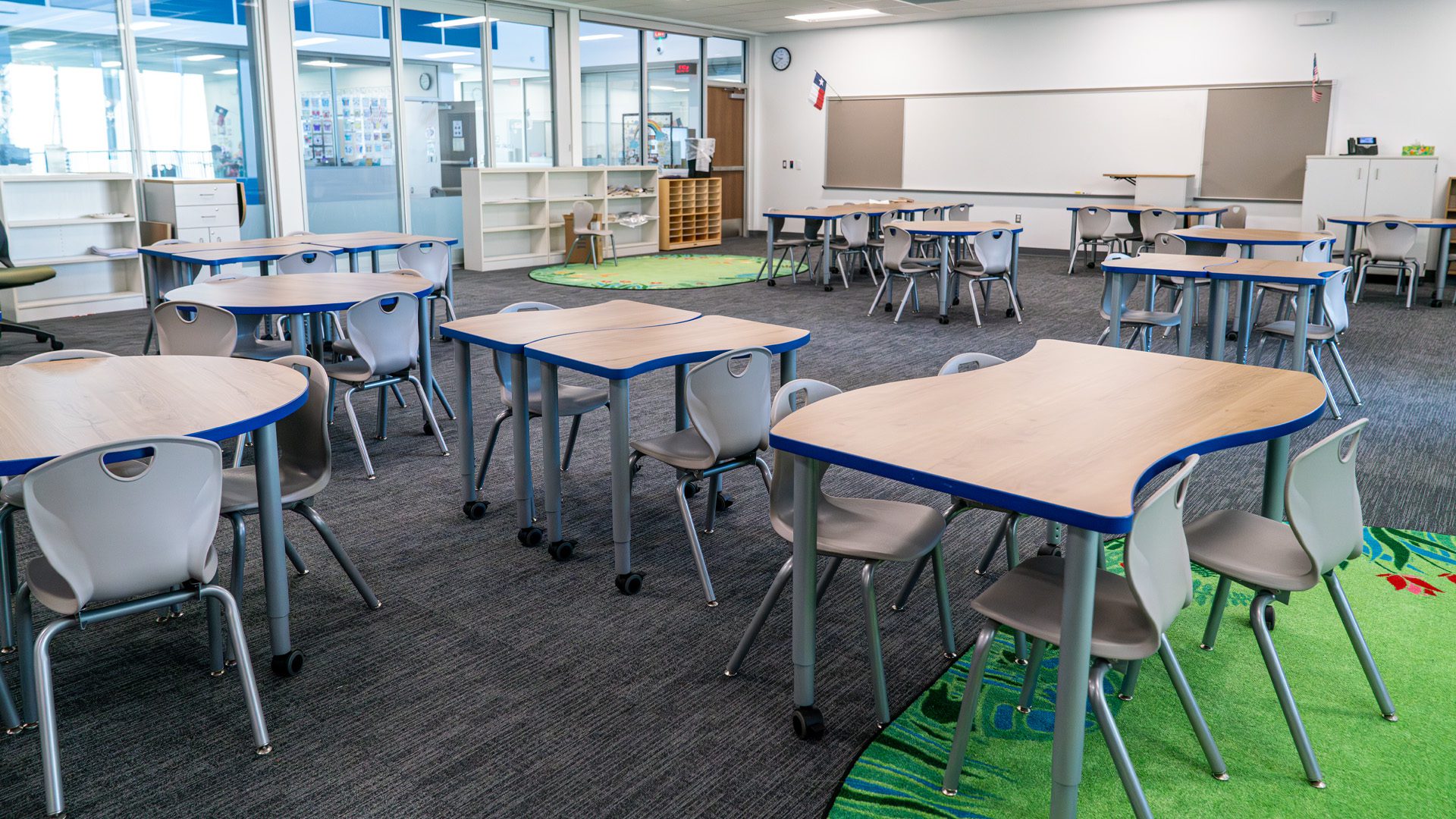
Designing for Thinking — Cognitive Engagement in Elementary Learning Environments
Course Description
To an architect, an elementary classroom is a set of decisions—daylight, sightlines, acoustics, flexibility, circulation. To a child, those same decisions determine whether they lean in and think or quietly check out. The two are inseparable, and the design is where it begins.
This course connects evidence-based design to cognitive engagement, showing how the choices architects and planners make—spatial organization, adaptable furnishings, movement, visibility, and opportunities to collaborate—shape how young learners think, create, and grow.
Drawing on the learning sciences and post-occupancy research, participants learn to read an elementary environment through a cognitive-engagement lens and design spaces where both thinking and children flourish.

Learning Objectives
- Explain how elementary learning environments shape cognitive engagement, participation, and deeper thinking.
- Identify design levers—choice, visible thinking, collaboration, movement, and belonging—that support engagement.
- Evaluate elementary classrooms using a research-based space-audit framework to identify strengths and gaps.
- Analyze how ergonomics, sightlines, circulation, and movement access support young students’ health, safety, and welfare.
Course Credits
1 LU |