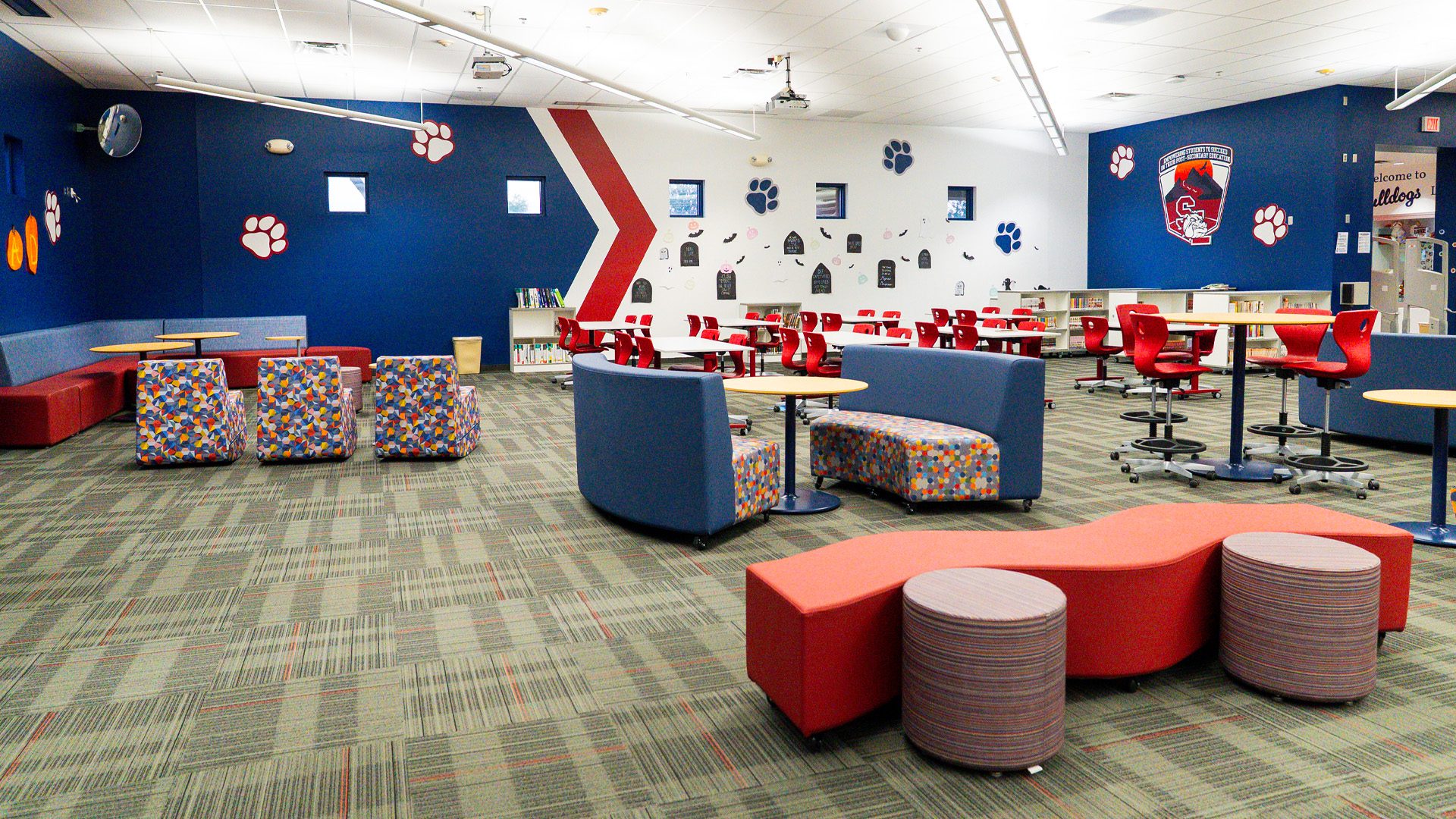
How Learning Environments Shape Student Thinking
Course Description
This course examines how learning environments shape cognitive engagement, participation, and deeper learning. Participants explore how classroom layout, furnishings, acoustics, visibility, movement, and spatial flexibility influence collaboration, reflection, attention, and student agency.
Drawing from learning science and evidence-based design, the session demonstrates how educators, architects, and planners can align instructional goals with spaces that support learner well-being and academic success. Participants analyze scenarios and identify practical, scalable design strategies.

Learning Objectives
- Define cognitive engagement and explain how physical environments influence attention, participation, and deeper learning.
- Identify design features that support collaboration, reflection, inclusion, movement, and student agency.
- Analyze how classroom layouts, furnishings, and environmental conditions influence instructional practices and cognitive demand.
- Analyze how health, safety, and wellness factors—including ergonomics, visibility, circulation, and movement access—influence student well-being, engagement, and learning outcomes.
Course Credits
1 LU |