Movement, Music, and Memory: Designing Spaces for Whole-Body Learning
Course Description
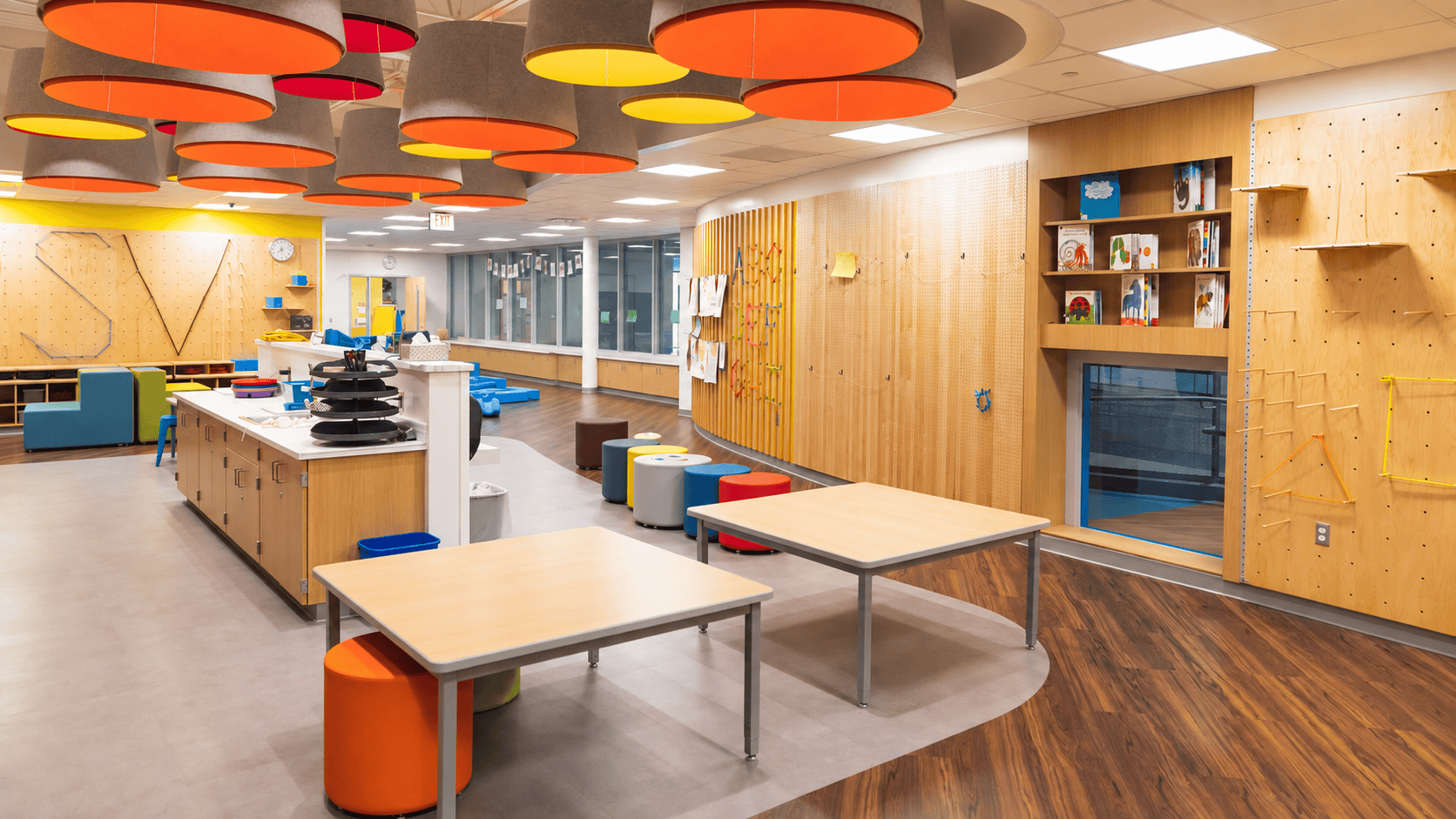
Step into an interactive, research-informed workshop that blends science, design, and movement. You’ll explore how sensory-rich environments—shaped through layout, acoustics, lighting, and furniture—strengthen memory, improve cognitive performance, and support students’ emotional well-being. Experience how movement and music activate multiple neural pathways, revealing why spatial design plays such a critical role in how students learn, engage, and connect. Grounded in AIA Health, Safety & Welfare principles, this session highlights practical design strategies—from flexible layouts and sensory zones to ergonomic choices—that reduce stress, promote safe movement, and support whole-body learning for students. Expect a hands-on, uplifting session that invites you to reimagine what learning spaces can be. You’ll leave with research-based strategies that inspire healthier, safer, and more engaging environments for the teachers and students who use them every day.classroom design, allowing for adaptability to various teaching methods and activities that cater to the dynamic nature of early childhood education.

Learning Objectives
- Learners will describe how sensory-rich environments influence memory, cognitive performance, and emotional well-being.
- Learners will explain the neuroscience behind how movement and music activate multiple neural pathways—and why spatial design decisions directly impact learning and well-being.
- Learners will identify design strategies such as flexible layouts, sensory zones, and ergonomic furniture that support whole-body learning and occupant health.
- Learners will discuss principles of experiential design that promote safe physical movement, reduce stress, and enhance overall well-being in educational settings.
Course Credits
1 LU |