The Whole Genius — Designing for the Cognitive, Social, and Emotional Lives of Gifted Learners
Course Description
Gifted learners are often the students schools forget to design for — because they look fine on the surface. But gifted and twice-exceptional (2e) students face a real paradox: they outpace peers academically while often struggling with collaboration, perfectionism, and asynchronous emotional development. This course reframes gifted programming as a welfare issue. When a student can’t find quiet retreat or authentic peer connection, the risk of anxiety, disengagement, and underachievement rises — regardless of IQ. You’ll learn how thoughtful zoning, retreat alcoves, and collaboration scaffolds support both cognitive depth and social-emotional growth in the students most likely to be overlooked in standard classroom design.


Learning Objectives
- Examine the social-emotional welfare profile of gifted and twice-exceptional (2e) learners and explain how spatial design decisions directly influence their mental health, belonging, and long-term engagement.
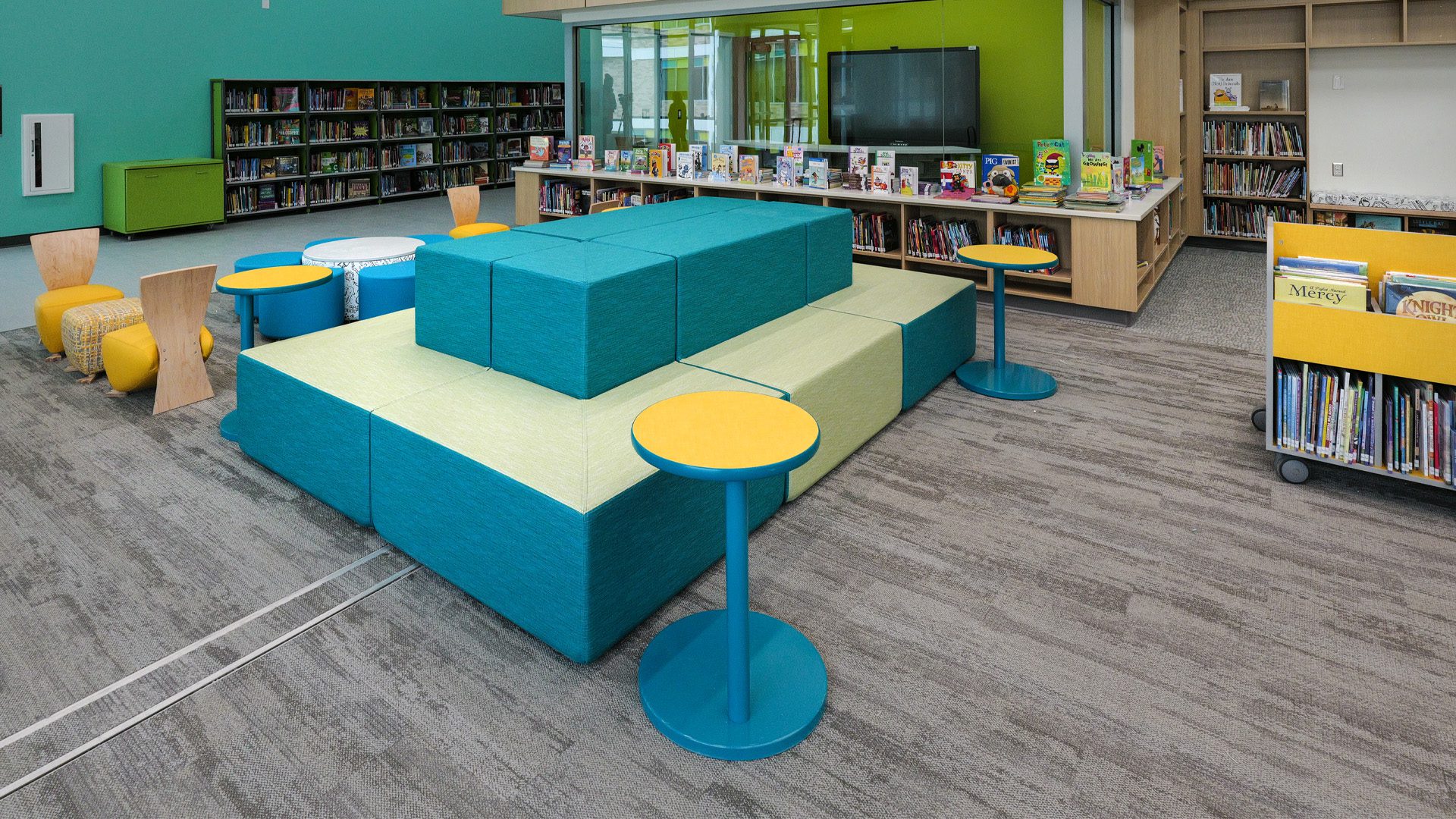
- Identify design strategies — retreat alcoves, quiet zones, and tiered collaboration spaces — that support deep individual work alongside structured peer interaction for gifted students
- Apply current research on asynchronous development and 2e learners to programming decisions for gifted and accelerated programs, with attention to reducing overstimulation and supporting psychological safety.
- Evaluate flexible space configurations that enable rigorous, project-based learning while protecting students’ need for sensory regulation and social-emotional recovery.
Course Credits
1 LU | HSW