
Resources
Insights, strategies, and stories to help educators create meaningful impact every day.
Meteor Articles
Browse our collection of resources to find inspiration, guidance, and tools that help you tackle challenges and spark new ideas.
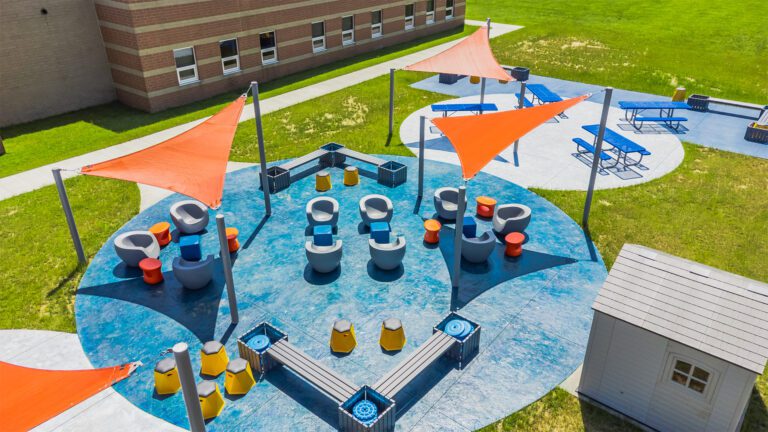
Environment as a Tool — Instruction Lives Outside: Designing Outdoor Learning Environments That Actually Get Used
Explore how thoughtful programming transforms outdoor school spaces from attractive amenities into functional environments teachers can use for everyday instruction.
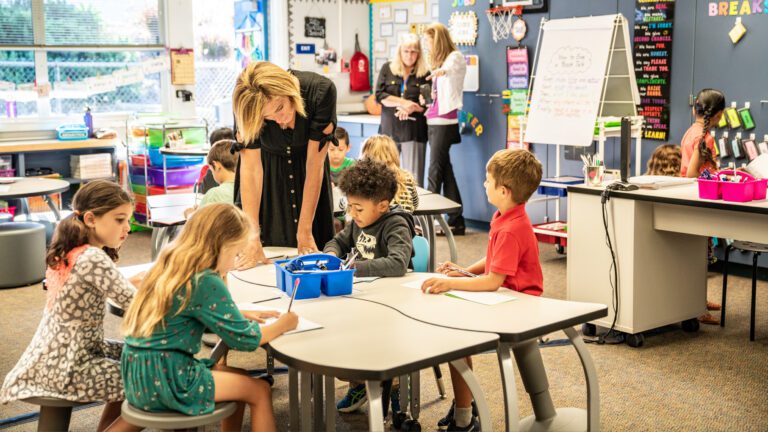
Environment as a Tool — Within Arm’s Reach: Proximity, Line-of-Sight, and Agentic Engagement by Design
Explore how circulation, sightlines, and furniture placement give teachers freedom to move while giving students greater agency in how they learn.
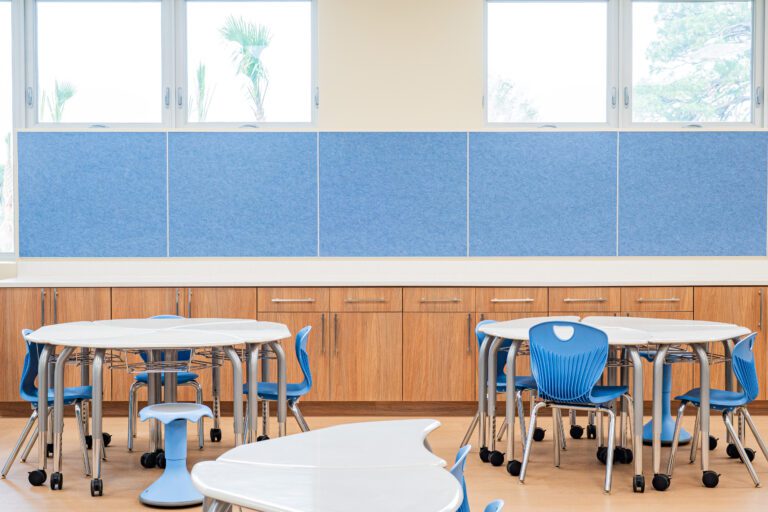
Environment as a Tool — The Stuff Problem: Using Storage Research to Free the Student-Centered Classroom
Explore how smarter classroom storage can reduce clutter, free student movement, support modern instruction, and turn static classrooms into adaptable learning environments.
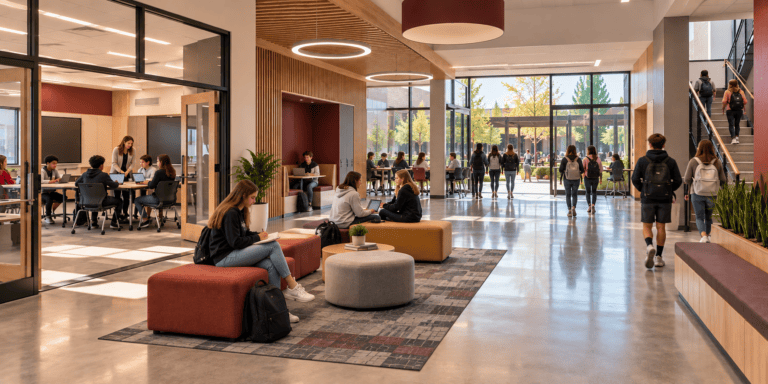
Environment as a Tool — Reading the Room: A Leader’s Overview of How Built Environments Shape Behavior, Engagement, and Learning
Explore how learning environment design influences student behavior, engagement and well-being through sensory, spatial, social and structural decisions.
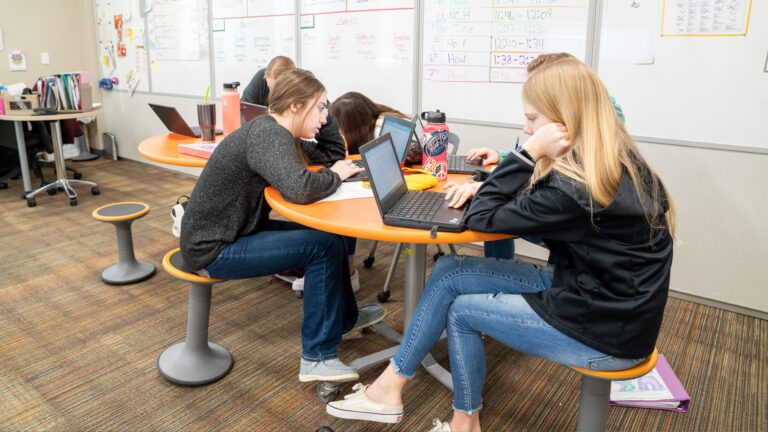
Where Thinking Meets Doing — Designing Secondary Learning Environments for Cognitive Engagement
Explore how elementary learning environments can spark deeper thinking through choice, movement, collaboration, visibility, and belonging.
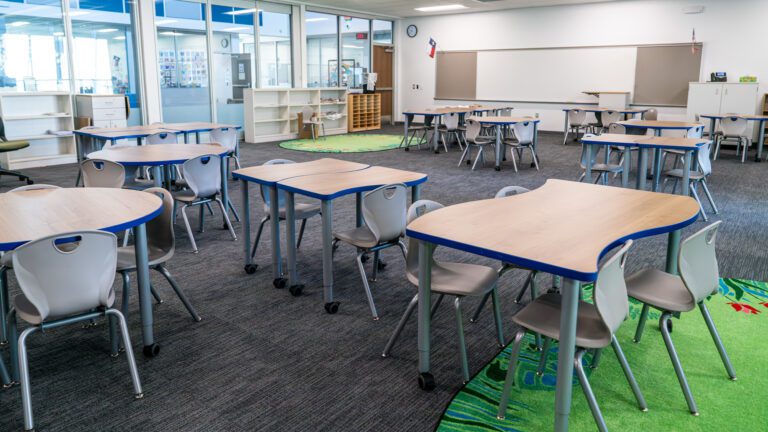
Designing for Thinking — Cognitive Engagement in Elementary Learning Environments
Explore how elementary learning environments can spark deeper thinking through choice, movement, collaboration, visibility, and belonging.
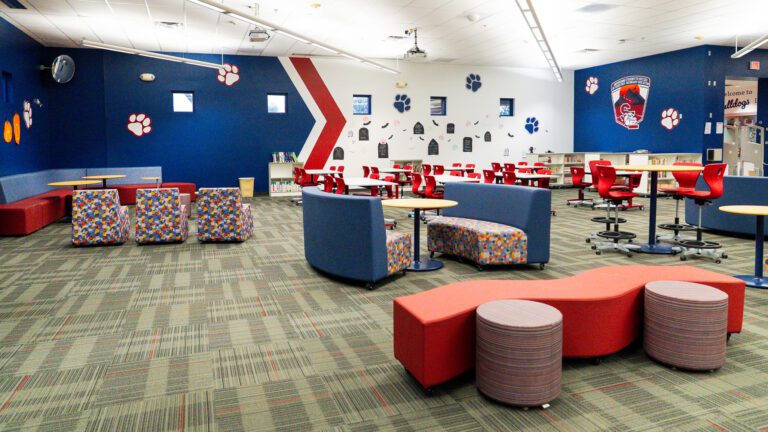
How Learning Environments Shape Student Thinking
Explore how classroom design influences attention, participation, collaboration, student agency, and deeper learning.
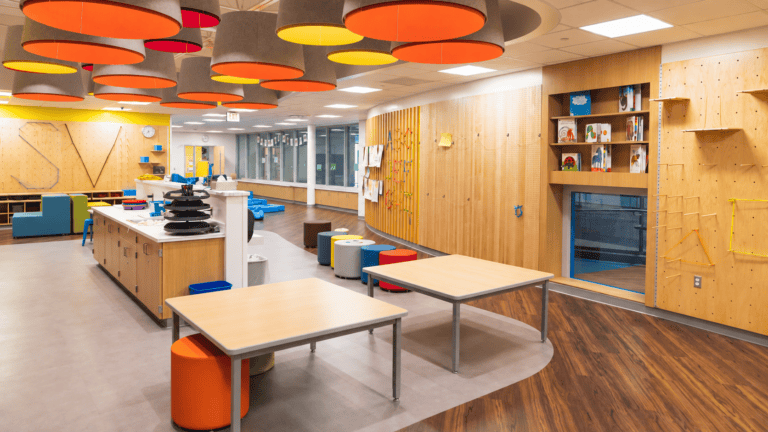
Movement, Music, and Memory: Designing Spaces for Whole-Body Learning
Explore how movement, music, and sensory-rich design can strengthen memory, support well-being, and create more engaging learning experiences.
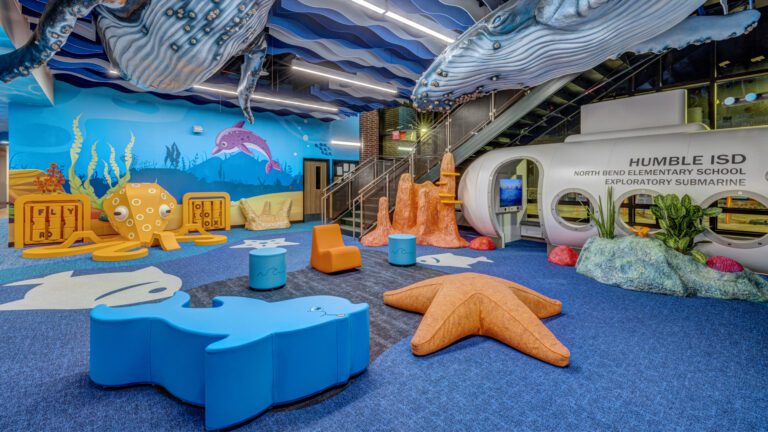
Engaging Young Minds: Designing Spaces that Spark Curiosity and Learning
Explore how thoughtful classroom design can spark curiosity, encourage play, and support the developmental needs of young learners.