Environment as a Tool — Instruction Lives Outside: Designing Outdoor Learning Environments That Actually Get Used
Course Description
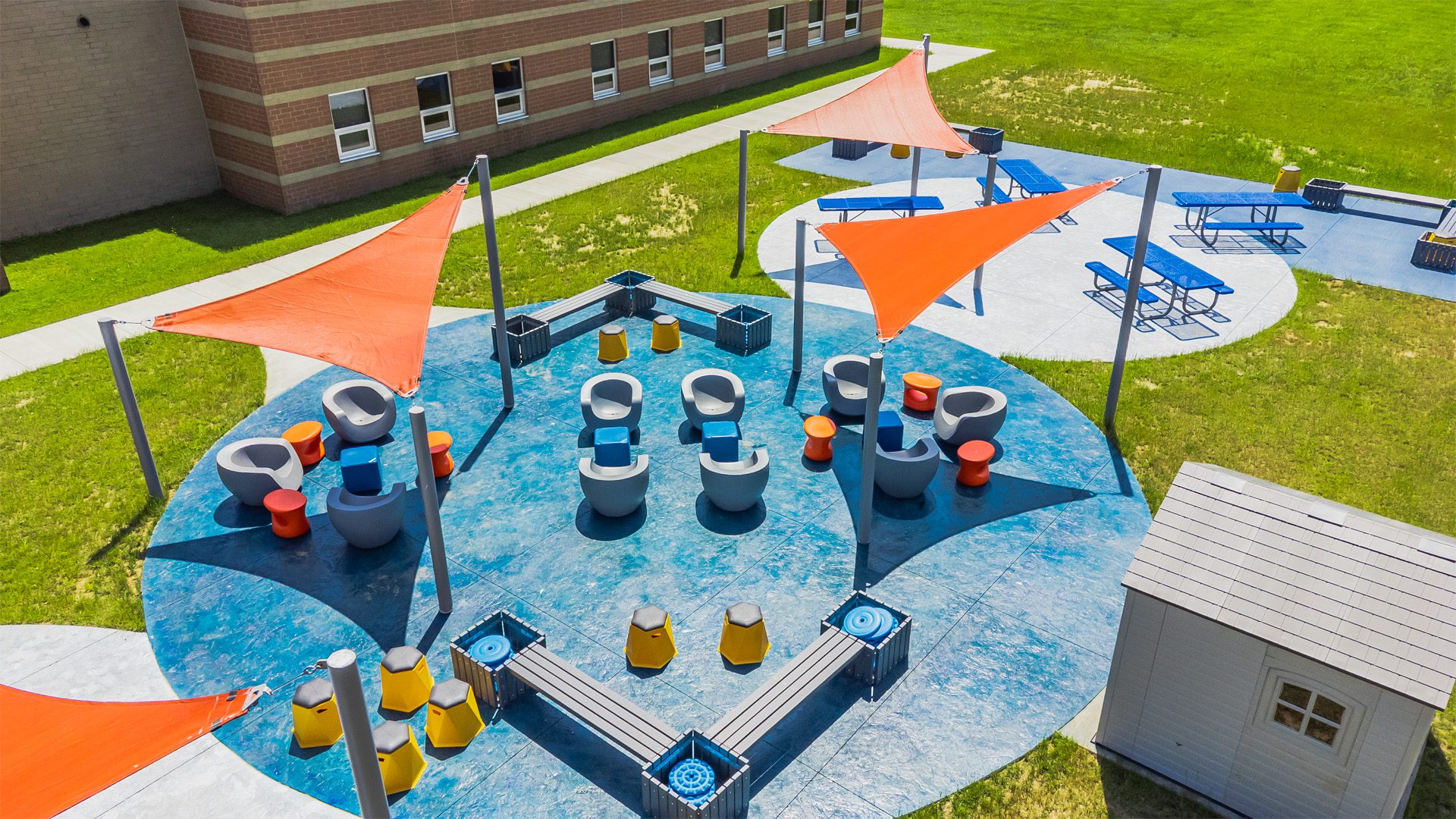
Here’s a pattern every experienced school architect recognizes: a beautiful outdoor learning courtyard, lovingly detailed, that no teacher ever uses. Not because teachers don’t want to go outside — they do. But because the space wasn’t programmed for instruction. No shade. No seating at the right scale. No acoustic separation from the adjacent field. No way to supervise 28 students while one walks to the restroom. This course is about fixing that — turning outdoor space from a landscape amenity into a genuine instructional tool.
You’ll examine the public-health and cognitive research on outdoor learning and leave with a programming checklist that makes the difference between a courtyard people photograph and one they actually teach in.

Learning Objectives
- Identify the health and welfare benefits of outdoor learning — attention restoration, daylight exposure, improved air quality, and physical activity — supported by current peer-reviewed research.
- Examine the programming requirements that determine whether an outdoor space actually supports instruction: accessibility, shade, seating, weather mitigation, acoustics, and proximity to indoor support spaces.
- Apply site-design strategies that maintain student safety and supervision while integrating outdoor spaces into daily instruction across grade levels.
- Evaluate outdoor learning environments against criteria for ADA accessibility, security, boundary management, durability, and pedagogical flexibility — with attention to the gap between design intent and instructional reality.
Course Credits
1 LU | HSW