The Empowered Instructor — ProSocial Skills in the World of Work
Course Description
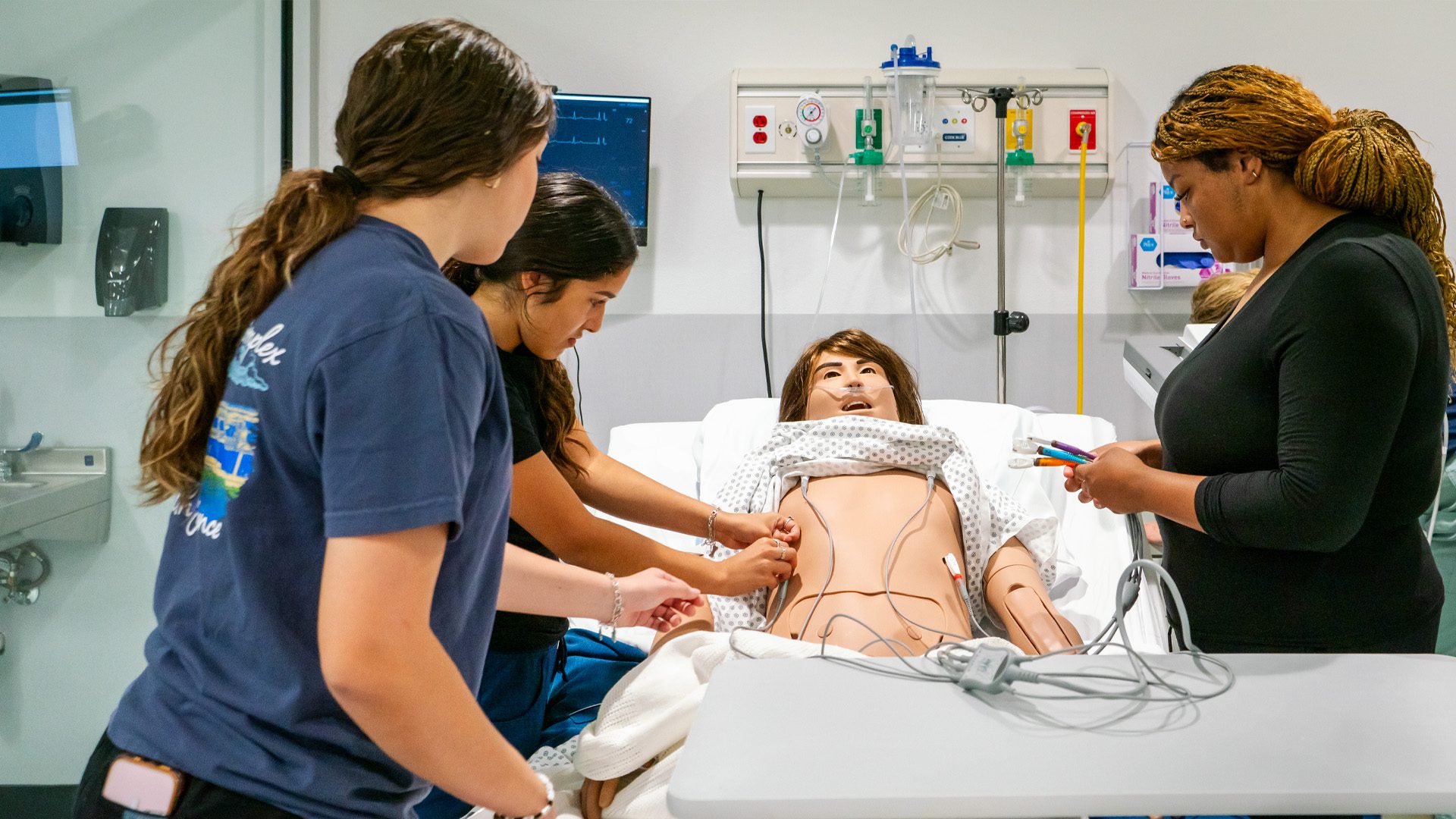
The most sophisticated CTE facility in the district is only as good as the instructor standing in it. This course examines the often-overlooked relationship between spatial design and instructor effectiveness — how room layout, sightlines, equipment organization, and collaborative zones either support or frustrate the instructional methods CTE demands.
But it goes further: exploring how ProSocial skills — communication, teamwork, adaptability, conflict resolution — are embedded in the workflow of CTE instruction itself, and how the built environment can be designed to reinforce them. Because the goal of a great CTE program isn’t just a skilled worker. It’s a prepared human being — and the space should make that goal easier to reach, not harder.

Learning Objectives
- Analyze the gap between technical skill instruction and workforce-readiness competencies — and identify the spatial conditions within CTE environments that either bridge or widen that gap.
- Evaluate how CTE learning environment design — including equipment layout, instructor sightlines, collaboration zones, and circulation paths — affects instructional delivery quality and occupant safety.
- Apply design strategies that align CTE teaching methods — demonstration, project-based learning, and peer collaboration — with spatial configurations that enable each instructional mode.
- Assess how instructor-empowering spatial design supports student social-emotional development and workforce readiness, with attention to ProSocial skill development as a measurable welfare outcome.
Course Credits
1 LU | HSW