Category: Architect Continuing Ed
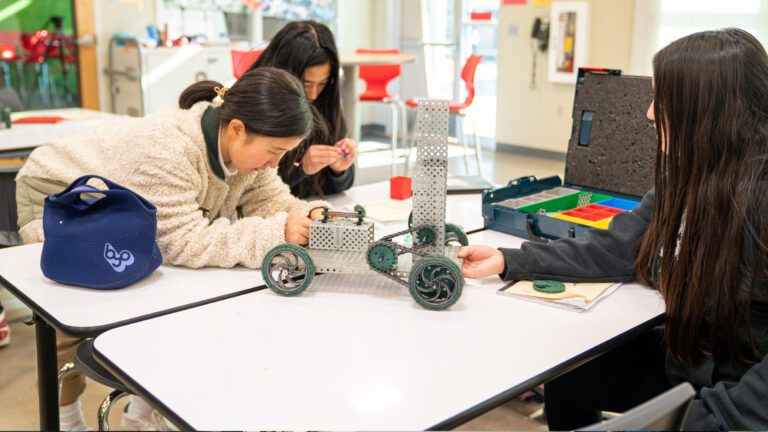
Is STEM/STEAM Enough? Evolving Toward Systems Thinking
Explore how learning environments can move beyond traditional STEM/STEAM models to support interdisciplinary thinking, collaboration, and complex problem-solving.

The Empowered Instructor — ProSocial Skills in the World of Work
Explore how CTE learning environments can empower instructors, strengthen technical instruction, and intentionally develop the communication, teamwork, adaptability,…
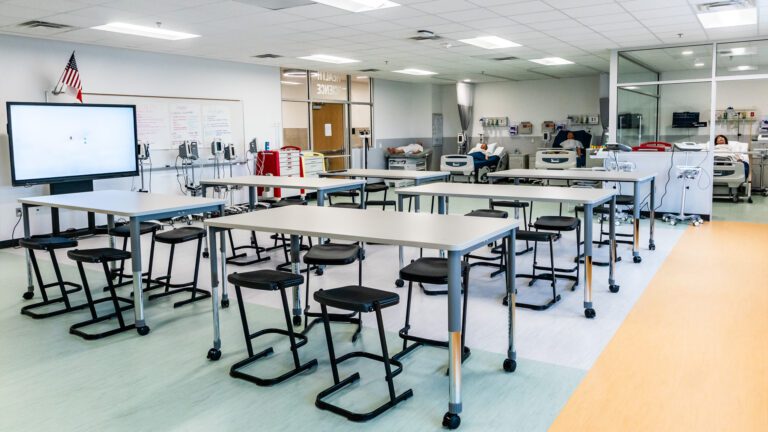
Designed for Every Learner — Inclusive CTE Environments and the Exploratory Pathway
Explore how inclusive CTE environments can expand access, reduce barriers, and help students discover workforce pathways from middle…
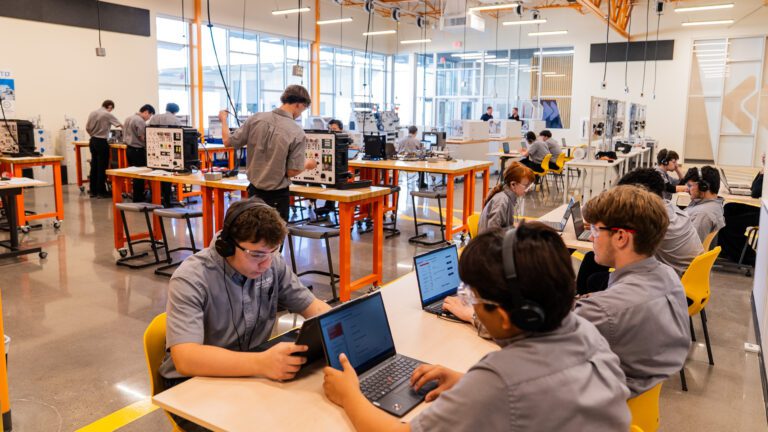
Value Equation — Community Impact, Accountability, and the Design Evidence
Explore how CTE facility design can strengthen communities, support workforce partnerships, meet accountability requirements, and create equitable opportunities…
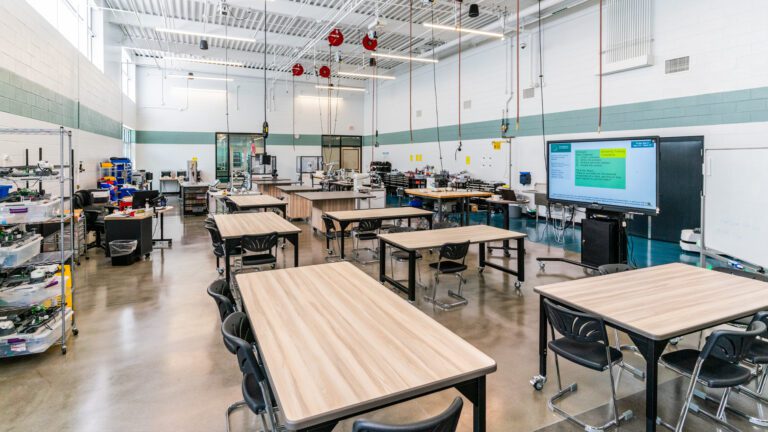
Trades at a Tipping Point
Explore how workforce trends, emerging technologies, safety requirements, and evolving CTE programs are reshaping the design of modern…
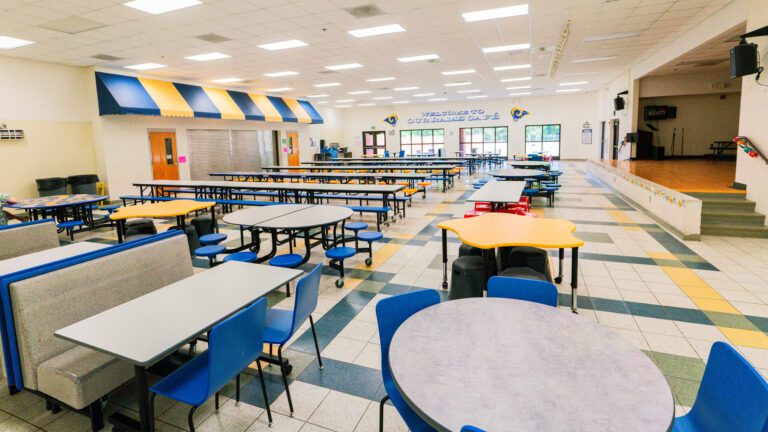
Environment as a Tool — Beyond the Classroom Door: Designing Cafeterias, Commons, and Hallways That Support Self-Regulation
Explore how cafeterias, commons, hallways, and transition spaces can reduce sensory overload and support student self-regulation, safety, and…
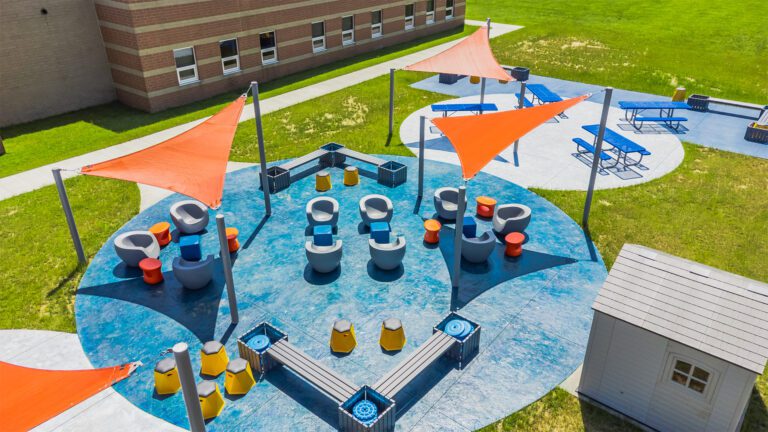
Environment as a Tool — Instruction Lives Outside: Designing Outdoor Learning Environments That Actually Get Used
Explore how thoughtful programming transforms outdoor school spaces from attractive amenities into functional environments teachers can use for…
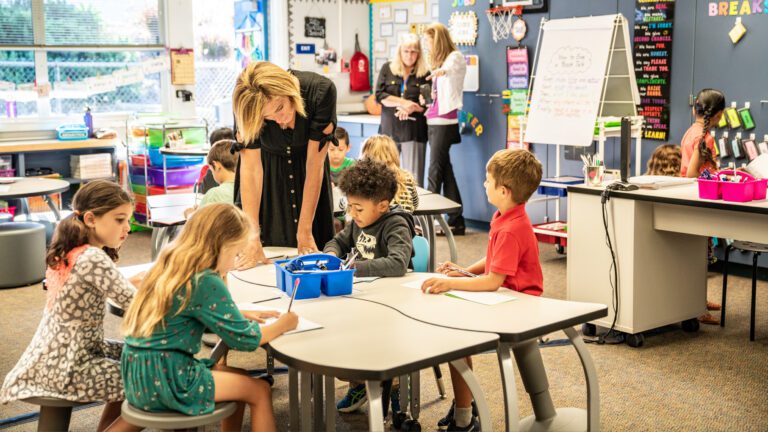
Environment as a Tool — Within Arm’s Reach: Proximity, Line-of-Sight, and Agentic Engagement by Design
Explore how circulation, sightlines, and furniture placement give teachers freedom to move while giving students greater agency in…
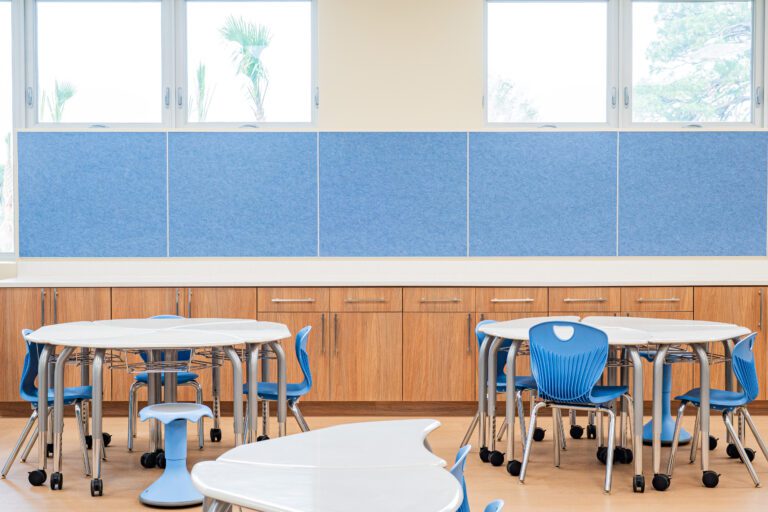
Environment as a Tool — The Stuff Problem: Using Storage Research to Free the Student-Centered Classroom
Explore how smarter classroom storage can reduce clutter, free student movement, support modern instruction, and turn static classrooms…
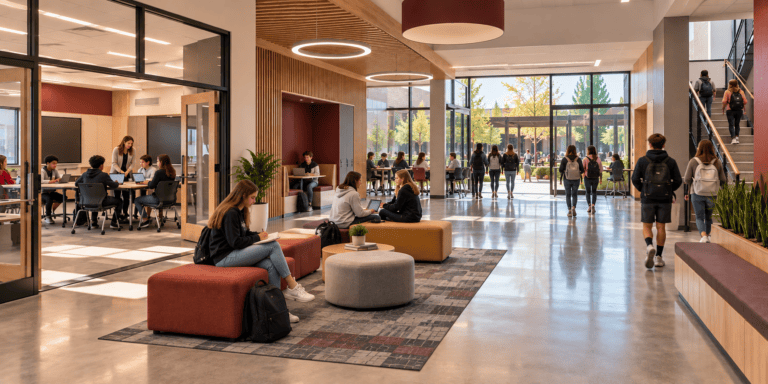
Environment as a Tool — Reading the Room: A Leader’s Overview of How Built Environments Shape Behavior, Engagement, and Learning
Explore how learning environment design influences student behavior, engagement and well-being through sensory, spatial, social and structural decisions.