The Architecture of Hope — Designing Learning Environments That Help Secondary Students Thrive
Course Description
Walk into a middle school hallway and you’ll feel it immediately: hope, or the absence of it. That’s not an accident. It’s design — whether anyone intended it or not.
The teenage years are a critical window. Students are asking — loudly or quietly — whether they matter, whether they belong, and whether the future has anything to offer them. For students who haven’t had many chances to feel capable or in control, that question carries even more weight. This course examines what secondary school design looks like when it answers those questions intentionally: spaces that offer consistency when life has been unpredictable; low-risk opportunities to try, fail, and succeed in ways that build real confidence; learning environments designed for identity and competence; and hopeful aesthetics that communicate possibility rather than compliance.
Empowerment doesn’t happen by accident. It happens when a student walks into a space that was clearly designed with them in mind — one that communicates possibility rather than control, and gives them room to grow into who they’re becoming. This course helps architects design that space deliberately.

Learning Objectives
- Identify the adolescent neurobiological and psychosocial research base that informs secondary school design — and explain the welfare implications of designing against, rather than with, that science.
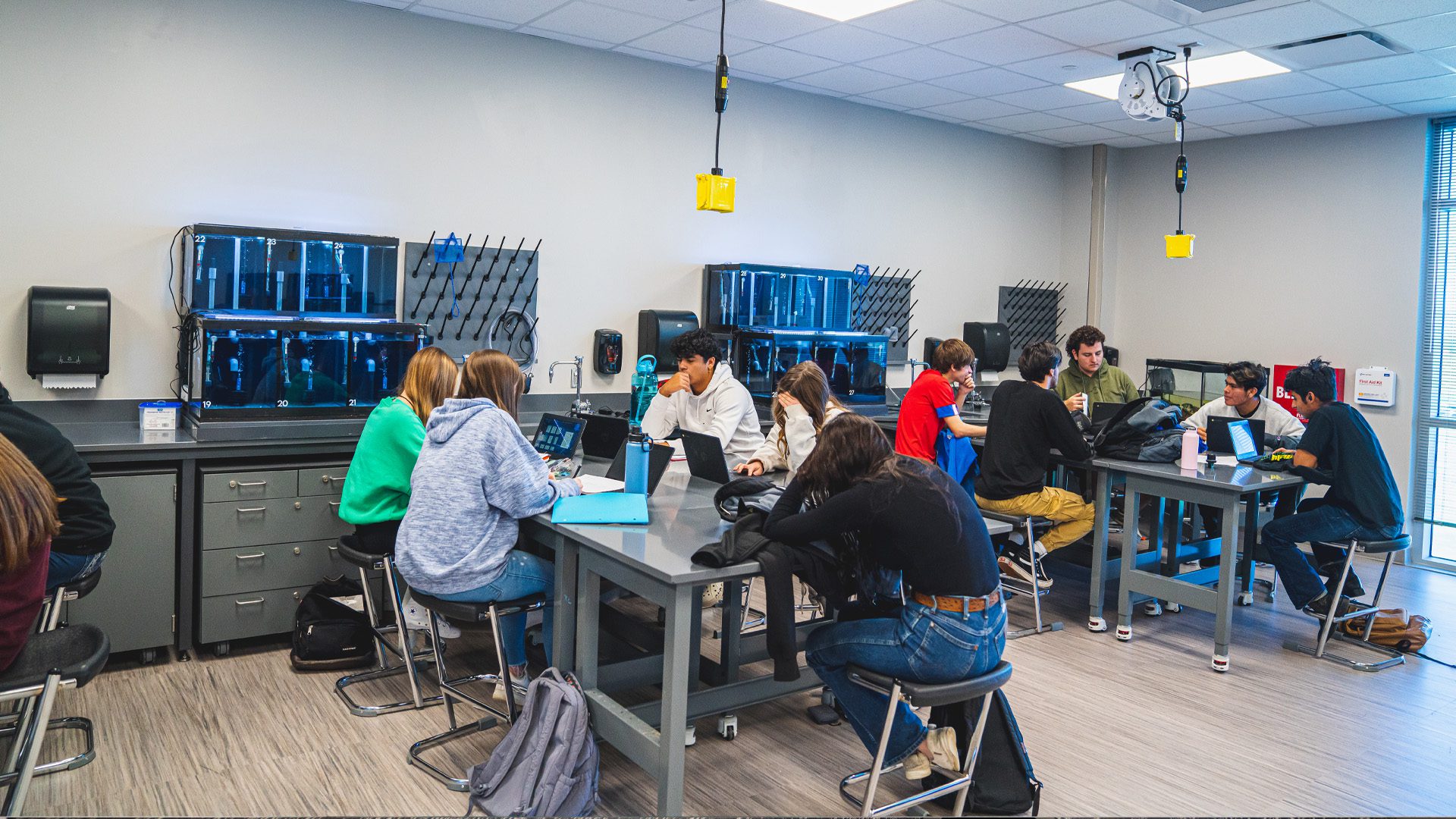
- Examine how Career and Technical Education (CTE) and ProSocial Skills programs leverage physical environments to support student identity, competence, and engagement during adolescence.
- Apply secondary-school design strategies — hopeful aesthetics, agency-supporting spaces, and authentic CTE environments — that measurably support adolescent mental health and disrupt cycles of disengagement.
- Evaluate secondary school designs against mental-health and welfare criteria, including light, scale, supervision, and visible signals of hope and possibility.
Course Credits
1 LU | HSW