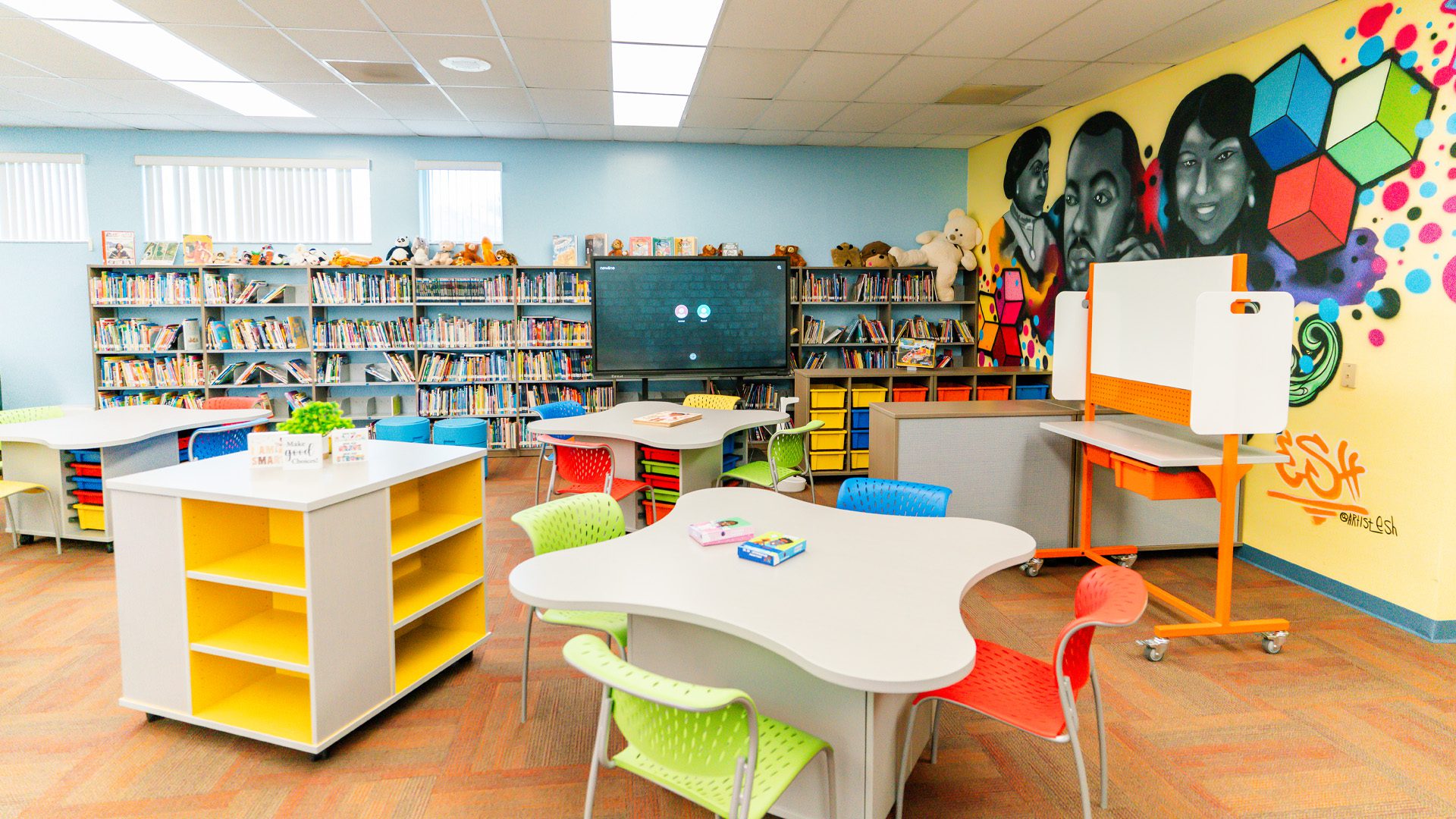
Culture of Hope — Color, Biophilic Design, Biomimicry, and Belonging in Diverse Communities
Course Description
What does it feel like to walk into a building designed with you in mind? For too many students, the answer is elusive. This course explores the design levers that shape belonging: from biophilic elements and natural materials, to culturally responsive representation, biomimicry, and authentic community engagement.
Belonging isn’t an aesthetic. It’s a welfare outcome. Participants will examine established frameworks for authentic community engagement that move beyond consultation into genuine co-design. Learn a shared vocabulary and evidence-based framework for translating community identity into programming priorities that measurably improve student well-being, belonging, and engagement.

Learning Objectives
- Identify the research base linking belonging, biophilic design, and culturally responsive environments to measurable welfare outcomes in K–12 schools — distinguishing evidence-supported claims from those requiring careful framing.
- Examine the framework of two-eyed seeing (Etuaptmumk, Elders Albert and Murdena Marshall, Mi’kmaq) and related approaches for honoring diverse cultural perspectives authentically in the built environment.
- Apply biophilic design and biomimicry strategies that strengthen students’ connection to nature, community, and cultural identity — evaluated against welfare criteria for belonging and mental health.
- Evaluate community engagement processes against criteria for authentic cultural representation and equitable participation — and distinguish evidence-based design claims from aspirational ones, particularly regarding color and behavior.
Course Credits
1 LU | HSW