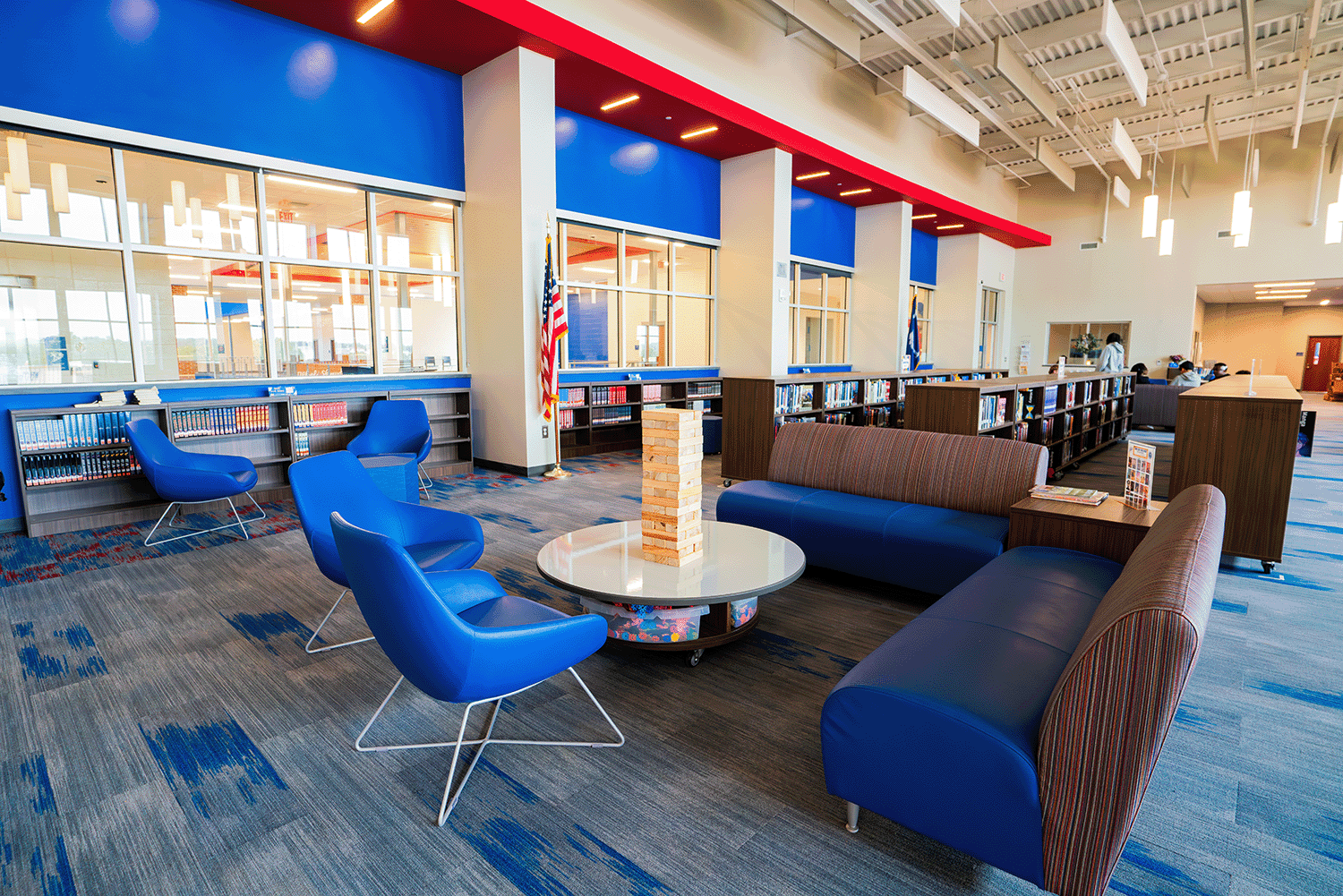
Teacher Training & Post-Installation Training: What Happens After the Furniture Arrives and Why It Determines Whether the Space Actually Works
The most expensive part of a learning environment project is often finished the day the trucks leave. The furniture is assembled, the technology is mounted, and the room looks complete. But furniture alone does not change instruction.
Flexible classrooms can quickly revert to traditional layouts, and maker spaces can go underused if educators are not confident using them. According to an independent 2025 industry survey, 73% of stakeholders say the physical learning environment is extremely or very important to student learning. That value is only realized through effective teacher training, orientation, and ongoing support.
This guide explains what post-installation training includes, who needs it and when and how to measure whether the space is delivering results.
The Handoff Gap: Why Installation Is Not the Finish Line
Installation puts furniture in the room. It does not prepare educators to use it effectively. That transition happens through training, coaching, and ongoing support.
| What Installation Delivers | What Installation Does Not Address |
|---|---|
| Furniture assembled, placed, and safe | How to configure it for different lessons |
| Technology mounted and powered on | Instructional routines that actually use the technology |
| A finished, photo-ready room | Teacher confidence to change the layout day to day |
| Warranty and care documentation | Staff buy-in, especially from those not part of design |
| A handoff walkthrough of the space | Sustained adoption weeks and months later |
Adoption is easier when educators help shape the space in the first place. Meteor Education’s Collaborative Design process includes interior designers with experienced educators, so the room reflects real instructional practice before anyone is trained on it. Training then reinforces choices teachers already understand, rather than introducing a room designed without them.
What Post-Installation Training Actually Covers
Post-installation training is not a product demo. It is instructional coaching tied to the specific space, led by Meteor’s expert educators with classroom experience who can connect furniture and layout to teaching methods. The focus is implementation: helping teachers use the full room with confidence.
| Training Focus | What It Addresses | Result for the Classroom |
|---|---|---|
| Space orientation | How zones, furniture, and layouts support different modalities | Teachers use the full room, not one default setup |
| Instructional strategies | Matching teaching methods to flexible configurations | More group work, student voice, and autonomy |
| Layout flexibility | Reconfiguring for direct instruction, small groups, and independent work | One room supports many lesson types |
| Furniture care and safety | Proper use, adjustment, and maintenance | Longer furniture life and fewer safety issues |
| Ongoing support | Follow-up visits, coaching, and a resource library | Adoption sticks past the first week |
Meteor’s Environment Orientation is one example of this model. It is led by former teachers and administrators and covers all learning environments, from classrooms and libraries to labs and outdoor spaces, with practical strategies teachers can apply from day one.
Training Formats and Who They Fit
There is no single right format. The best choice depends on how distributed staff are, how complex the space is, and whether the need is an initial rollout or ongoing reinforcement. Most districts benefit from a mix.
| Format | Typical Length | Best For |
|---|---|---|
| Onsite session | 1 to 3 hours | Whole-staff rollout of a new space |
| Virtual webinar | 30 to 45 minutes | Distributed teams or quick refreshers |
| Self-paced module | Flexible | New hires and phased onboarding |
| Ongoing coaching | Recurring | Sustained adoption and complex or CTE spaces |
Who Needs Training, and When
Training is not only for classroom teachers, and it is not a one-time event. Different roles need different focus, and timing matters. Instructors handling equipment, in particular, should be trained before students ever use it.
| Audience | Training Focus | Timing |
|---|---|---|
| Classroom teachers | Layout, modalities, and daily routines | At or just after install |
| CTE and lab instructors | Equipment operation, safety, and instruction | Before students use the equipment |
| Substitutes and new hires | Baseline orientation to the space | Ongoing, as part of onboarding |
| Administrators | What to look for and how to sustain adoption | Post-install and at review points |
| Facilities staff | Care, maintenance, and reconfiguration | At handoff |
CTE and Lab Equipment: Orientation Is Non-Negotiable
In CTE and lab settings, the stakes are higher. Real-world equipment for welding, robotics, automation, and mechanics carries safety and liability weight that classroom furniture does not. Instructors need hands-on training to master new tools before teaching with them, so the space delivers industry-aligned, workforce-ready learning rather than sitting idle behind a safety concern.
There is a funding angle worth planning around. Professional development is an allowable use of Perkins V dollars when it is tied to an approved CTE program and the Comprehensive Local Needs Assessment, and Perkins V represents roughly $1.4 billion annually. Equipment orientation for instructors can qualify, provided it supplements rather than supplants existing spending. For the full picture of allowable uses and deadlines, see Meteor’s Perkins V funding guide.
| CTE Orientation Element | Why It Matters |
|---|---|
| Equipment operation | Instructors master new tools before teaching them |
| Safety protocols | Reduces liability and injury risk in hands-on labs |
| Instructional practice | Connects real-world equipment to industry-aligned outcomes |
| Certification alignment | Supports industry-recognized credential pathways |
| Ongoing support | Instructors get help as programs and equipment evolve |
For a view of how CTE spaces are equipped and who provides them, see Top School Furniture Companies for CTE in the US.
Measuring Whether the Space Actually Works
The value of a new learning environment is measurable through observable changes in how teachers and students use the space.
Meteor’s Impact Report measures observable behaviors within the learning environment. It captures what changes in how students and teachers use the space.
| What Measurement Captures | Example Indicators |
|---|---|
| Group work | Frequency and quality of student collaboration |
| Student voice | How often students contribute and lead |
| Autonomy | Students choosing tools, seating, and workflows |
| Use of space | Whether the full room is used as designed |
| Body language and engagement | Observable signs of attention and participation |
Districts can pair these environment observations with their own performance data, such as certification pass rates and enrollment, to build the case for future phases. A baseline set before the project helps show the change; Meteor’s Current Environment Assessment is built for that starting point.
Common Mistakes to Avoid
Treating Installation as the Finish Line
The room is delivered, so the project is considered done. Without training, teachers default to what they know, and flexible spaces revert to traditional layouts within weeks.
Cutting Training to Save Budget
Training is often the first line cut under budget pressure, yet it is frequently shovel-ready and, for CTE programs, an allowable Perkins V expense. Districts weighing furniture spend against training should treat training as part of the investment, not an add-on. Meteor’s guide to budgeting for classroom furniture covers how to plan for the full cost of a working space.
Training Once and Never Again
A single session at install does not reach staff hired later or account for new configurations. Instructional change needs reinforcement over time, not a one-time event.
Leaving New Hires and Substitutes Without Orientation
Every teacher who enters the space needs a baseline orientation. When new staff are left to figure it out, inconsistent use spreads across the building.
Skipping Measurement
Without documented outcomes, there is no evidence the space is working and no data to support the next phase of investment. Anecdotes are not a substitute for observation.
A Post-Installation Training Timeline
The example below shows how a district might sequence training and measurement after install. Actual timing should reflect the size of the project and the complexity of the space.
| Phase | Timing | Focus |
|---|---|---|
| Handoff walkthrough | Install week | Space overview, care, and safety basics |
| Initial orientation | Within the first weeks | Layout, modalities, and instructional strategies |
| Follow-up coaching | 1 to 3 months | Reinforce routines and troubleshoot |
| Measurement checkpoint | 1 to 2 terms | Capture adoption and outcomes |
| Ongoing support | As needed | New staff, new configurations, evolving programs |
Make the Space Work After the Furniture Arrives
Districts invest heavily in new learning environments. Protecting that investment means planning for what happens after installation, including training, reinforcement, and measurement, not just delivery day.
Speak to an expert at Meteor Education to learn more.
Frequently Asked Questions
Ready to transform your existing space into a dynamic learning hub that engages every student? Contact the K-12 learning environment experts at Meteor Education today to start a conversation and bring your vision to life.
Sources:
[1] Independent 2025 CTE industry survey
[2] Meteor Education. Educator Training and Support. https://meteoreducation.com/solutions/educator-support/
[3] U.S. Department of Education, Office of Career, Technical, and Adult Education. Perkins V. https://cte.ed.gov/legislation/perkins-v
Get in touch
Find Your Local Studio
Meteor Education partners with schools to create collaborative spaces that accelerate engagement and empower educators.