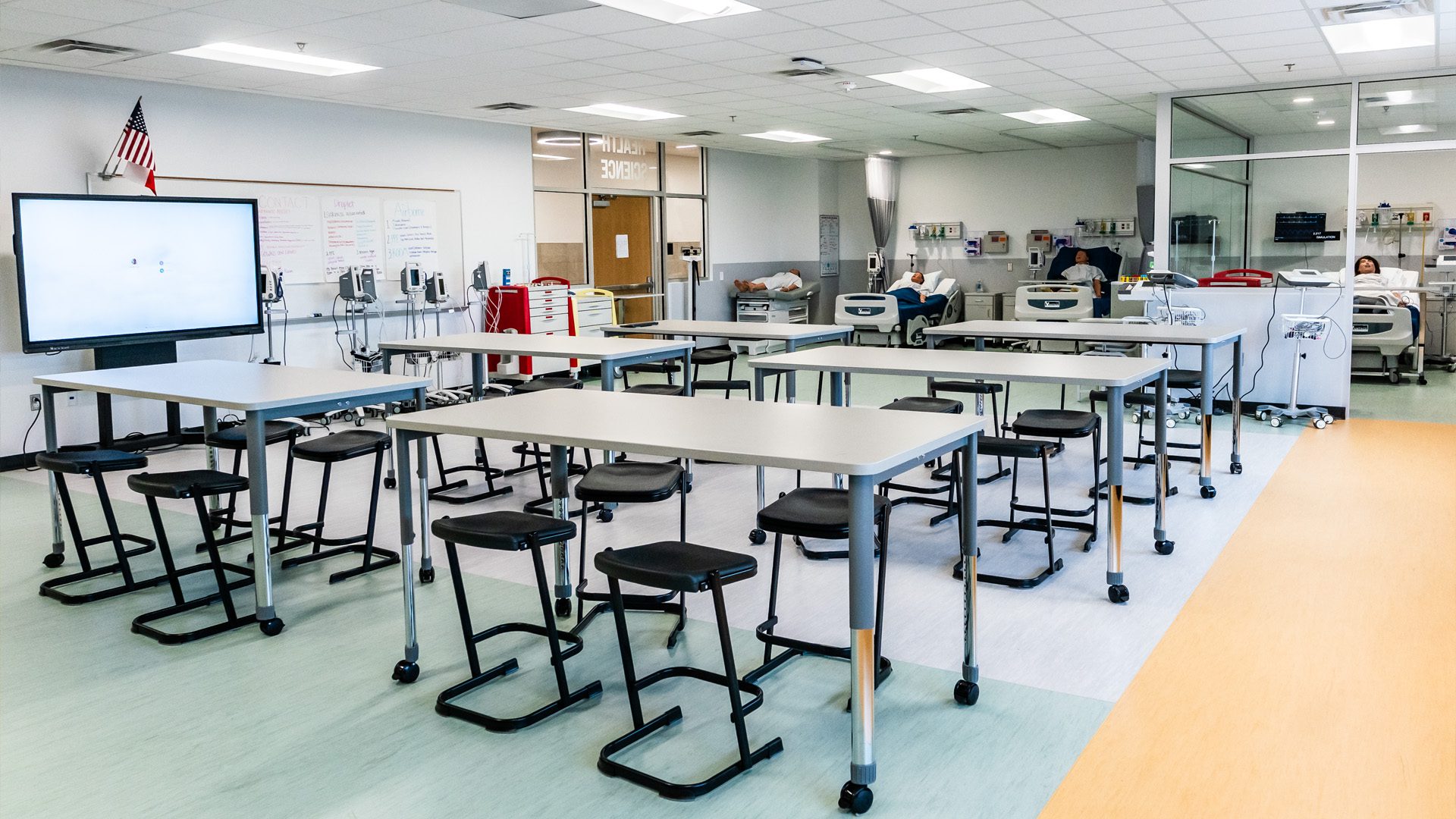
Designed for Every Learner — Inclusive CTE Environments and the Exploratory Pathway
Course Description
Who is the CTE student in 2025? They’re rural. Urban. At-risk. First-generation. A middle schooler who hasn’t discovered their pathway yet. A high schooler who’s already committed. They have varied physical needs, cultural backgrounds, and prior exposures to technical environments — and one thing in common: the built environment either welcomes them or it doesn’t.
This course examines the full access challenge: who CTE currently serves, who it doesn’t, and how design can close that gap. From middle school exploratory labs that create first discovery moments — lowering barriers, sparking curiosity, and setting students on a path before they know they need one — to inclusive high school CTE environments that support every learner who walks through the door.

Learning Objectives
- Analyze demographic trends and equity gaps in CTE participation — across rural, urban, at-risk, and diverse learner populations — and evaluate how facility design either enables or limits equitable access to workforce pathways.
- Evaluate how spatial and environmental design supports the development of both technical skills and social-emotional workforce competencies across diverse CTE student populations.
- Apply inclusive and age-appropriate design strategies — spanning middle school exploratory environments through high school technical labs — that reduce physical, psychological, and socioeconomic barriers to CTE participation.
- Assess how early pathway exposure through intentionally designed exploratory CTE environments influences student confidence, retention, and long-term workforce readiness.
Course Credits
1 LU | HSW