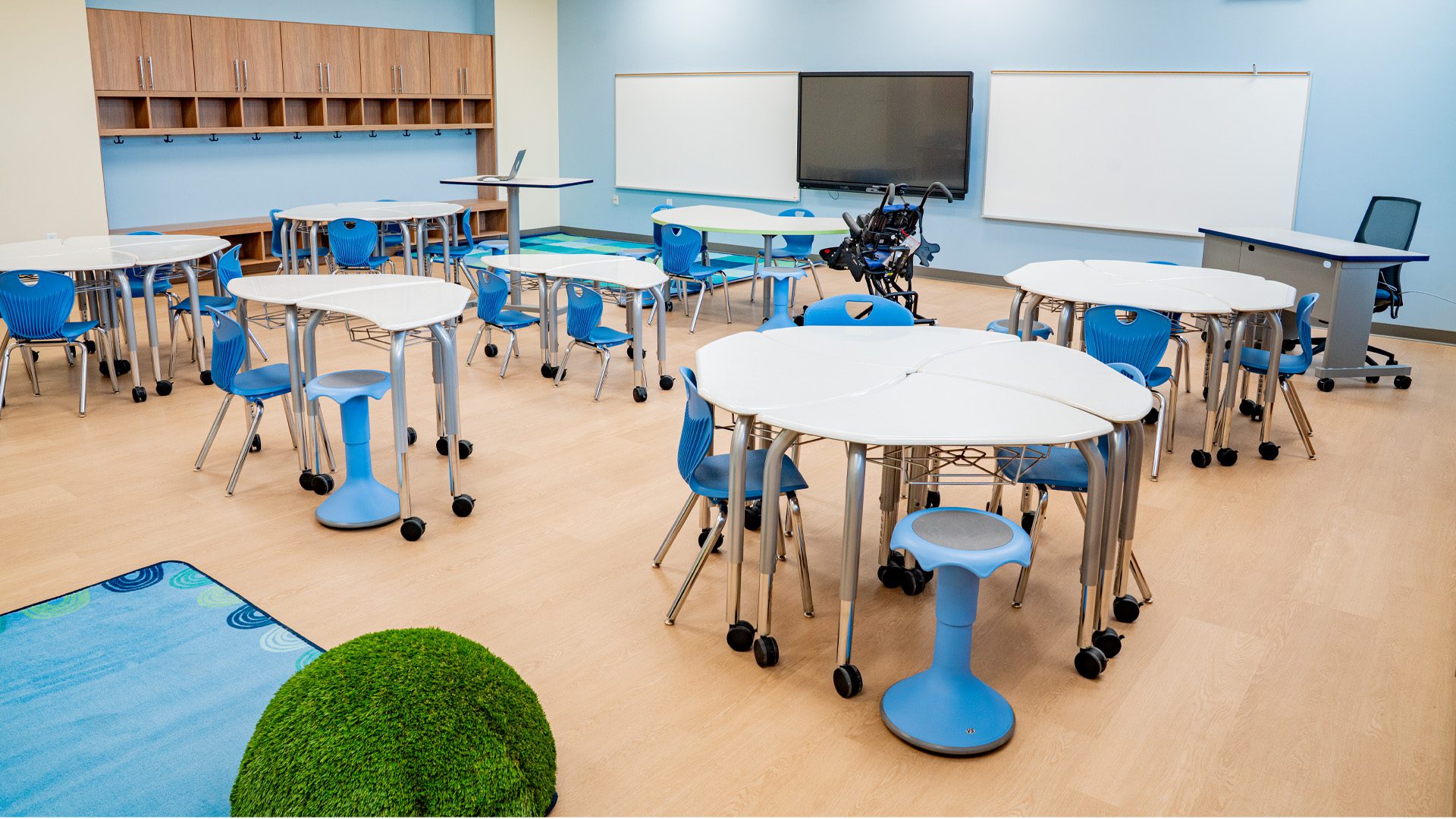
Equity for Now… Essential for the Future
Course Description
Not all schools are created equal — and that is fundamentally a design problem. This course confronts the uncomfortable reality of facility inequity and gives architects the frameworks, data, and language to do something about it.
A central challenge is developing district design standards that are budget-conscious enough to be realistic, broad enough to protect equity across every school in a system, and flexible enough to accommodate future demographic shifts, instructional models, and community needs. Standards that work today but can’t evolve become tomorrow’s inequities.
Equally critical: before embarking on any transformative project, this course makes the case for meaningful end-user feedback. Students, teachers, and families who live and work in these spaces every day hold knowledge that no program document fully captures. Gathering their input before major design decisions are made is both an ethical imperative and a practical one — it surfaces equity gaps that data alone misses and builds the community trust that sustains long-term investment in school quality.
From ADA compliance to mental-health-informed design, you’ll explore how the built environment either expands or limits opportunity for every student who walks through the door.

Learning Objectives
- Analyze how facility design quality and condition disparities affect student academic outcomes, mental health, and long-term well-being — and identify the architect’s role in disrupting those patterns.
- Evaluate district facility standards for inclusivity, ADA compliance, and accessibility to identify gaps and advocate for design solutions that serve all students equitably.
- Apply budget-conscious district design standards that are broad enough to maintain equity across diverse school contexts and adaptable enough to accommodate future enrollment, demographic, and instructional needs — so today’s solutions don’t become tomorrow’s constraints.
- Describe how structured end-user feedback — gathered from students, educators, and families before a transformative project begins — surfaces equity gaps, reduces costly design mismatches, and builds the community trust that sustains long-term investment in school quality.
Course Credits
1 LU | HSW