Innovative Learning Spaces
Course Description
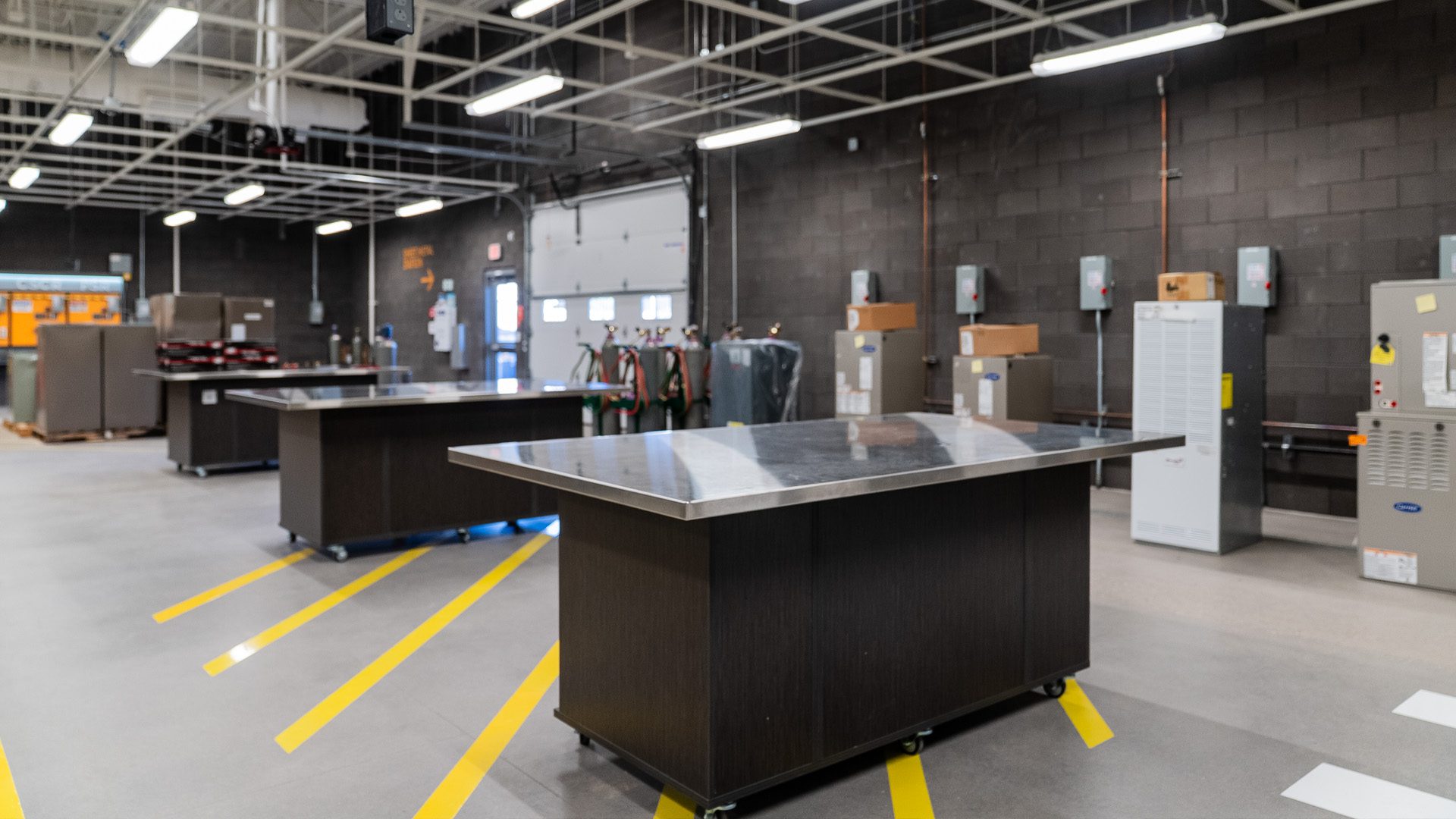
CTE programs evolve faster than almost any other area of K–12 education. The welding lab becomes an advanced manufacturing suite. The culinary kitchen adds food science. The computer lab morphs into a cybersecurity hub. This course is about designing for that velocity — creating CTE facilities that don’t become obsolete the moment the program approval is signed.
You’ll explore flexible design strategies, systems thinking in facility planning, and the specific adaptability features that let CTE spaces evolve alongside the industries they serve. Think movable infrastructure, accessible utility systems, adaptable floor plates, and structural provisions for programs that don’t exist yet. In CTE design, future-proofing isn’t a premium add-on. It’s the whole job.

Learning Objectives
- Analyze flexible design strategies — movable infrastructure, accessible utility routing, and adaptable floor plates — that allow CTE facilities to evolve with program changes without triggering full renovation.
- Evaluate systems-thinking approaches to CTE facility design, including structural, mechanical, and electrical provisions that anticipate future program needs and maintain code compliance across configurations.
- Apply adaptable design solutions that maintain safety standards, usability, and regulatory compliance across multiple program configurations over a facility’s full lifespan.
- Assess how physical learning environment organization — including equipment integration, circulation, and spatial zoning — influences student engagement and workforce readiness outcomes.
Course Credits
1 LU | HSW